Tel:+86-27-8562 3425
Mobile:+86-180 6203 8202


Tel:+86-27-8562 3425
Mobile:+86-180 6203 8202


 Photovoltaic, energy storage, and charging stations
Solution
The integrated solution of photovoltaic energy storage and charging system achieves a basic balance between local energy production and energy load through energy storage and optimized configuration. Capable of independent operation; Spontaneous self use and surplus electricity storage; Relieve the impact of charging piles on the power grid; In terms of energy consumption, using energy storage systems to charge power batteries and utilizing peak and valley electricity prices has improved energy conversion efficiency and reduced electricity costs; Utilizing battery energy storage systems to absorb low valley electricity and support fast charging loads during peak periods; At the same time, supplemented by photovoltaic power generation systems, it effectively reduces the grid load during peak periods of charging stations, improves system operating efficiency, and provides auxiliary service functions for the grid.
 |
 |
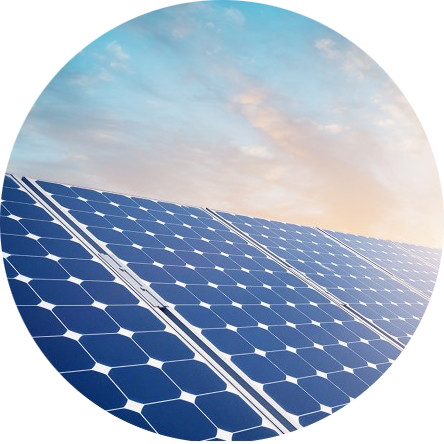
Photovoltaic systemConstructing an integrated photovoltaic storage and charging power station under limited land resources, using nearby rooftop photovoltaics and parking lot canopy photovoltaics. Multiple photovoltaic modules converge into a photovoltaic DC combiner box, which is connected to the grid through a photovoltaic inverter. The off grid photovoltaic power generation system effectively solves the problems of power generation, discharge, power supply, and energy conversion during the transmission process of solar photovoltaic modules, ensuring the reliability, efficiency, and safety of the entire system's power generation, and enabling the stable operation of the power station's power generation. |
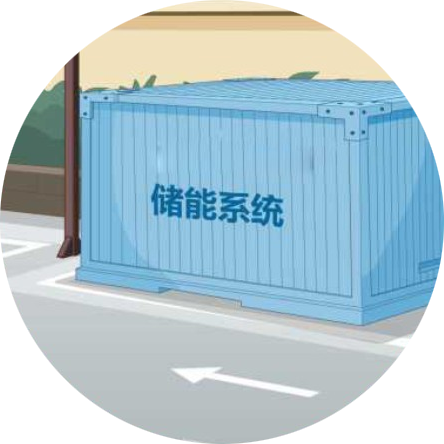
Energy storage systemThe energy storage system has a battery compartment and an equipment compartment. The battery system is composed of battery modules and clusters based on the minimum unit of a single energy-saving cell, and the battery capacity is configured according to the actual needs on site; Storage inverters (PCS), AC distribution cabinets, DC distribution cabinets, fire protection systems, and EMS& are placed in the equipment compartment; Dynamic environmental monitoring cabinet, etc. The energy storage system is connected to the AC bus system to improve energy utilization efficiency and balance the production and supply of the power system. |
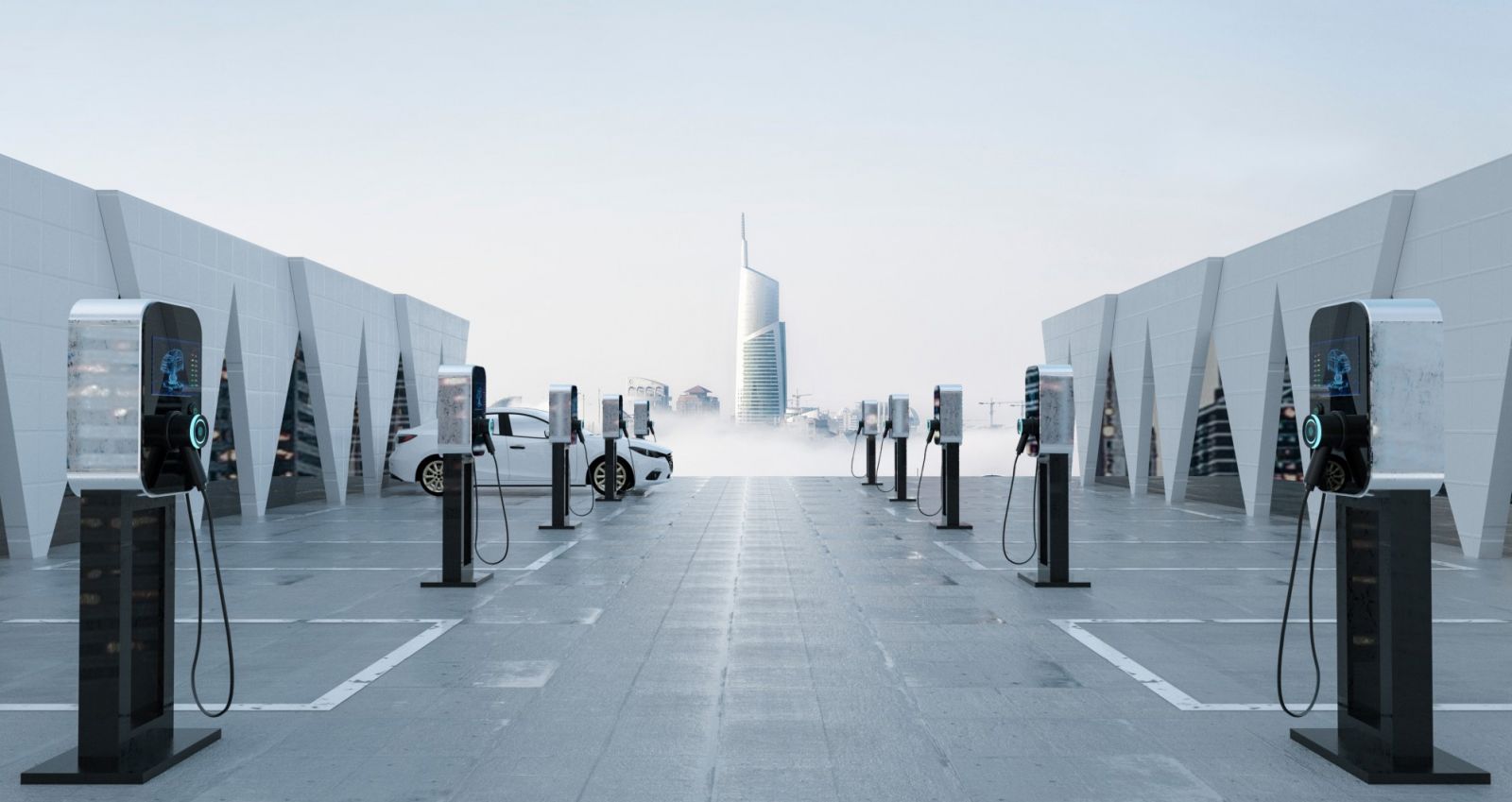
The charging station interacts with users through scanning codes for charging, and the charging station system includes intelligent monitoring and intelligent metering. The intelligent controller of the charging station has measurement, control, and protection functions for the charging station, such as operation status detection, fault status detection, and linkage control of the charging and discharging process; Communication output configuration: AC intelligent energy meter is used for AC charging measurement, with complete communication function. The measurement information can be uploaded to the charging intelligent controller and network operation platform through RS485. In addition, the charging power can be adjusted, and the input and output overvoltage protection, short circuit protection, overcurrent protection, leakage protection, grounding detection, overheating and other protection functions are complete, with an IP54 protection level.
Copyright(C)2026,Hubei Xingshengtong Electrical Equipment Co., Ltd All Rights Reserved. Supported by Toocle 31fabu Copyright Notice 鄂ICP備19030104號-1